These days, the way people watch movies and shows is changing a lot. A big part of that change comes from a group called Gen Z. If you have heard the term but aren’t quite sure what it means, Gen Z is the generation of young people born roughly between the mid 1990s and early 2010s. They grew up with the internet all around them, which makes their habits different from older generations. One of the biggest shifts we see with Gen Z is how they use streaming to watch entertainment. Streaming means watching videos, shows, or movies online without needing to download them first. It’s like turning on a faucet and having water flow right away. Instead of waiting for a DVD or cable TV schedule, streaming lets people watch whatever they want, whenever they want. Understanding Gen Z streaming habits is important because it shows us how this group is changing the entertainment world. They don’t just follow the old ways of watching TV or movies. Instead, they use new platforms and spend their time online differently. This is why big Hollywood studios with huge budgets are finding it harder to keep up with what Gen Z really wants to watch.
What exactly are Gen Z streaming habits today?
To get a clear picture of Gen Z streaming habits, it helps to look at how much time they spend on different kinds of media. According to research, Gen Z spends 54 percent more time on social platforms than the average consumer, which is about 50 minutes more per day. You can read more about this data here. This means they are very active on places like TikTok, Instagram, and YouTube, where they don’t just watch videos but also interact with others, share content, and discover new trends. At the same time, they spend 44 minutes less watching traditional shows or movies on TV or through cable. This shift shows that Gen Z prefers shorter, bite sized content that feels more personal and less formal than the usual TV shows. Their streaming habits also include using multiple devices, switching quickly between different types of content, and favoring on demand services like Netflix, Disney Plus, and Twitch. These platforms allow them to watch what they want, skip ads, and even join live streams or discussions. So, when we talk about Gen Z streaming habits, we are talking about a generation that values freedom, interaction, and quick access to a wide range of content, which is changing how entertainment is made and enjoyed today.
Why do big companies spend so much money on shows?
Big companies like Netflix spend huge amounts of money on shows for a few important reasons. The way Netflix works is simple but powerful. People pay a monthly fee to watch their content, which means Netflix needs to keep those subscribers happy and coming back for more. To do that, they need to offer shows and movies that you cannot find anywhere else. This is why they invest billions of dollars into creating exclusive content that only their subscribers can enjoy.
One big part of this spending is understanding the Gen Z streaming habits. Young viewers today have grown up with streaming as their main way to watch shows and movies. They are used to having tons of options and expect fresh, exciting content all the time. If Netflix doesn’t keep up with what Gen Z wants, those viewers will switch to another service that does. So, Netflix and other companies pour money into creating shows that match these habits, making sure they stay relevant in a crowded market.
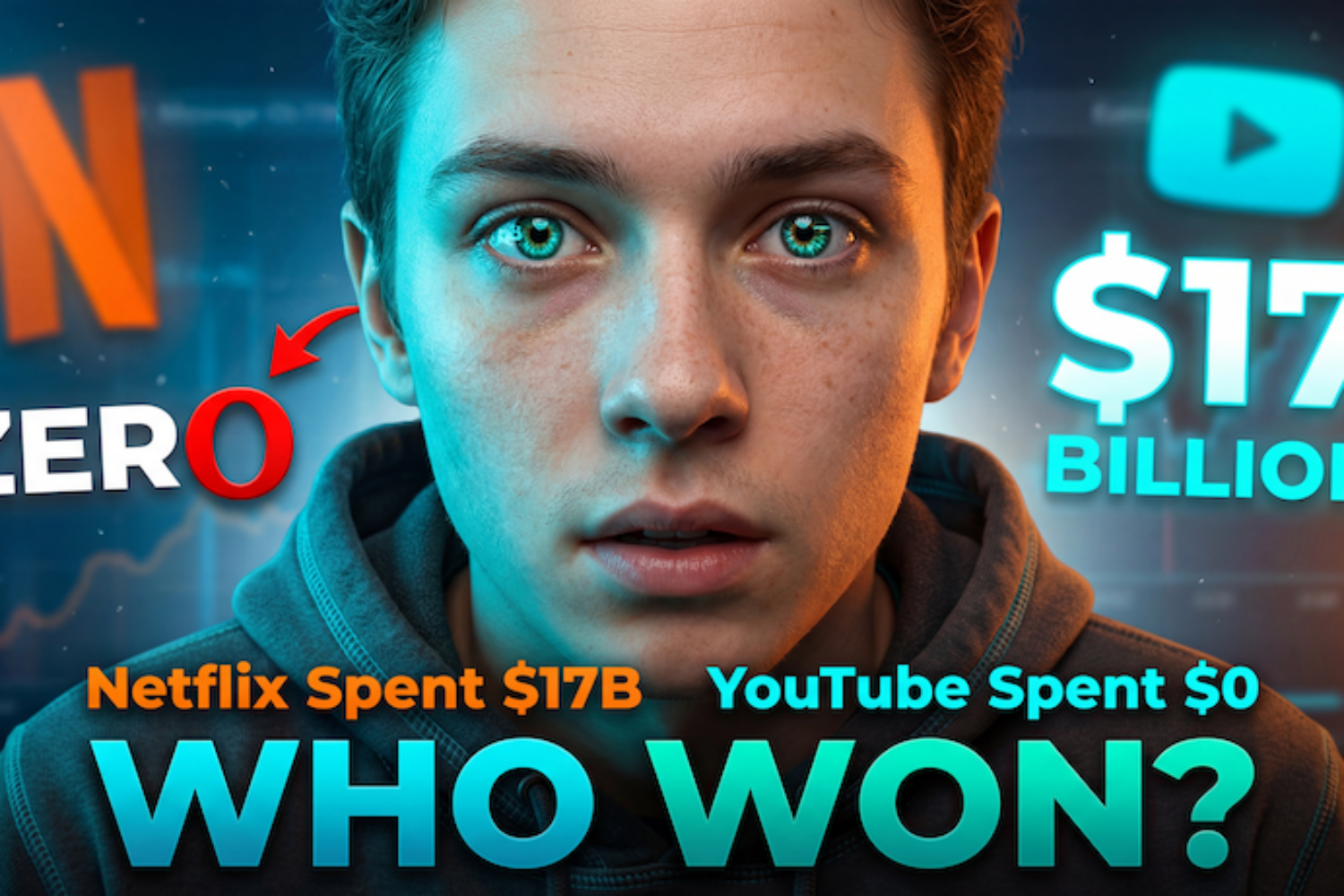
Netflix is planning to spend 18 billion dollars in cash on content in 2025. This huge budget shows just how serious they are about winning and keeping subscribers. When you think about it, that money goes into making everything from big budget dramas to small indie projects, all aimed at different groups of viewers. The goal is to have something for everyone, especially for younger viewers who drive a lot of the streaming trends.
The Gen Z streaming habits have changed the game for these companies. Unlike older generations, Gen Z tends to watch shows on their phones or tablets, often preferring shorter episodes or content that feels more interactive and social. Companies like Netflix study these habits closely to decide what kinds of shows to invest in. Spending billions on content is not just about making entertainment it’s about understanding the audience and offering what they want before anyone else does. This is why big companies keep spending so much money on shows, always trying to stay ahead in the fast moving world of streaming.
If you want to read more about Netflix’s content spending plans, you can check out this article from Variety.
How much money does YouTube spend on making videos?
When you think about YouTube and the videos you watch every day, it might feel like the company spends a huge amount of money making those videos itself. But that is not how YouTube works. Unlike traditional TV networks or movie studios, YouTube does not create its own shows or movies. Instead, it acts as a platform where millions of regular people, from all around the world, can upload their videos for others to watch. This is a big part of what makes YouTube so unique and popular, especially with younger viewers.
YouTube’s business model is built around sharing ad money with the creators who make the content. When you watch a video on YouTube, you often see ads before or during the video. The money from those ads goes to YouTube, but a big portion of it is shared with the people who made the videos. This helps creators earn income from their work and encourages them to keep making new content. It is a win win situation. Creators get paid, viewers get free videos, and YouTube makes money by hosting the platform and running the ads.
This system has been especially important for understanding Gen Z streaming habits. Gen Z tends to spend a lot of their time online watching videos on platforms like YouTube rather than traditional TV. They enjoy the variety and freedom to watch whatever they want, whenever they want. Because YouTube supports creators financially, it allows for a wide range of content that appeals to different interests, which fits perfectly with the diverse tastes of Gen Z viewers. If you want to see just how much YouTube values its creators, you can check this report from CNBC. Since 2021, YouTube has paid out over 100 billion dollars to creators, showing just how significant this sharing model has become.
This approach helps explain why YouTube is so successful and why it plays a big role in shaping Gen Z streaming habits. Instead of spending big money making their own videos, YouTube empowers millions of people to create and share their stories, ideas, and entertainment while also supporting them financially. It is a powerful way to keep content fresh, interesting, and connected to what viewers really want.
Who is actually winning the battle for our screens?
When it comes to the fight for our attention on screens, it might seem like Netflix, with its billions of dollars spent on original shows and movies, would be the clear winner. After all, Netflix has poured huge amounts of money into creating hit series and exclusive content, hoping to keep viewers hooked. But if we take a closer look at the numbers, it’s clear that YouTube is actually coming out on top, especially when we consider Gen Z streaming habits.
In July 2025, YouTube captured 13.4 percent of all TV watch time, while Netflix held only 8.8 percent. This data, reported by Nielsen, really highlights how much more screen time people are spending on YouTube compared to Netflix. You can check out the full details on Nielsen’s website. What’s fascinating about this is that even though Netflix spends billions on content, YouTube’s mix of free videos, live streams, and user generated content is drawing more viewers overall. This suggests that many people, particularly younger viewers, prefer the variety and accessibility that YouTube offers.
Gen Z streaming habits play a big role in this shift. Younger audiences tend to favor platforms where they can find quick, diverse, and interactive content. YouTube fits that bill perfectly because it lets users watch everything from music videos to DIY tutorials, vlogs, and gaming streams all in one place. Netflix, on the other hand, mainly offers longer form shows and movies that require more time and commitment. For Gen Z, the ability to switch between different types of content quickly and engage with creators directly makes YouTube more appealing.
So even though Netflix invests heavily in original programming and global expansion, YouTube’s broad range of content and its free, easy to access format are winning over more viewers, especially among younger generations. The battle for our screens isn’t just about spending big on fancy shows anymore. It’s about meeting the changing Gen Z streaming habits, and right now, YouTube seems to have the upper hand.
What do Gen Z streaming habits tell us about the future?
When we look at Gen Z streaming habits, it becomes clear that young people today are searching for something real. They are not as interested in flashy Hollywood productions with big budgets and polished scripts. Instead, they want to connect with people who feel like friends. This generation values authenticity and relatability over glitz and glamour. They want to watch creators who share their everyday lives, struggles, and joys. These creators are not distant stars on a big screen but people who seem approachable and genuine.
One interesting piece of data shows that 52 percent of Gen Z feel more connected to online creators than to traditional actors or TV hosts. This tells us a lot about what young viewers are looking for. They want to feel like they know the person on screen, like they could reach out and have a conversation. This connection is stronger than the appeal of famous faces or expensive sets. It shows that Gen Z streaming habits are shifting the entertainment world toward a more personal, community driven experience. You can find more about this data at this link.
The future of streaming is likely to revolve around these real connections. Gen Z streaming habits suggest that the old ways of making content might not work as well anymore. Instead of focusing solely on big productions and star power, creators and platforms might need to emphasize building genuine relationships with their audiences. This means more live chats, behind the scenes moments, and honest conversations that make viewers feel included. It also shows that the power of storytelling is evolving. Stories no longer have to be grand or scripted to matter. They just need to be real.
Gen Z streaming habits reveal a simple but powerful truth. Money does not buy attention anymore. It is not about how much you spend on special effects or famous actors. What matters is the connection you create with your audience. Young people want to feel seen and heard by people who seem like friends, not distant celebrities. As the streaming world continues to change, this focus on authenticity and real connections will shape the future of entertainment in ways we are only beginning to understand.