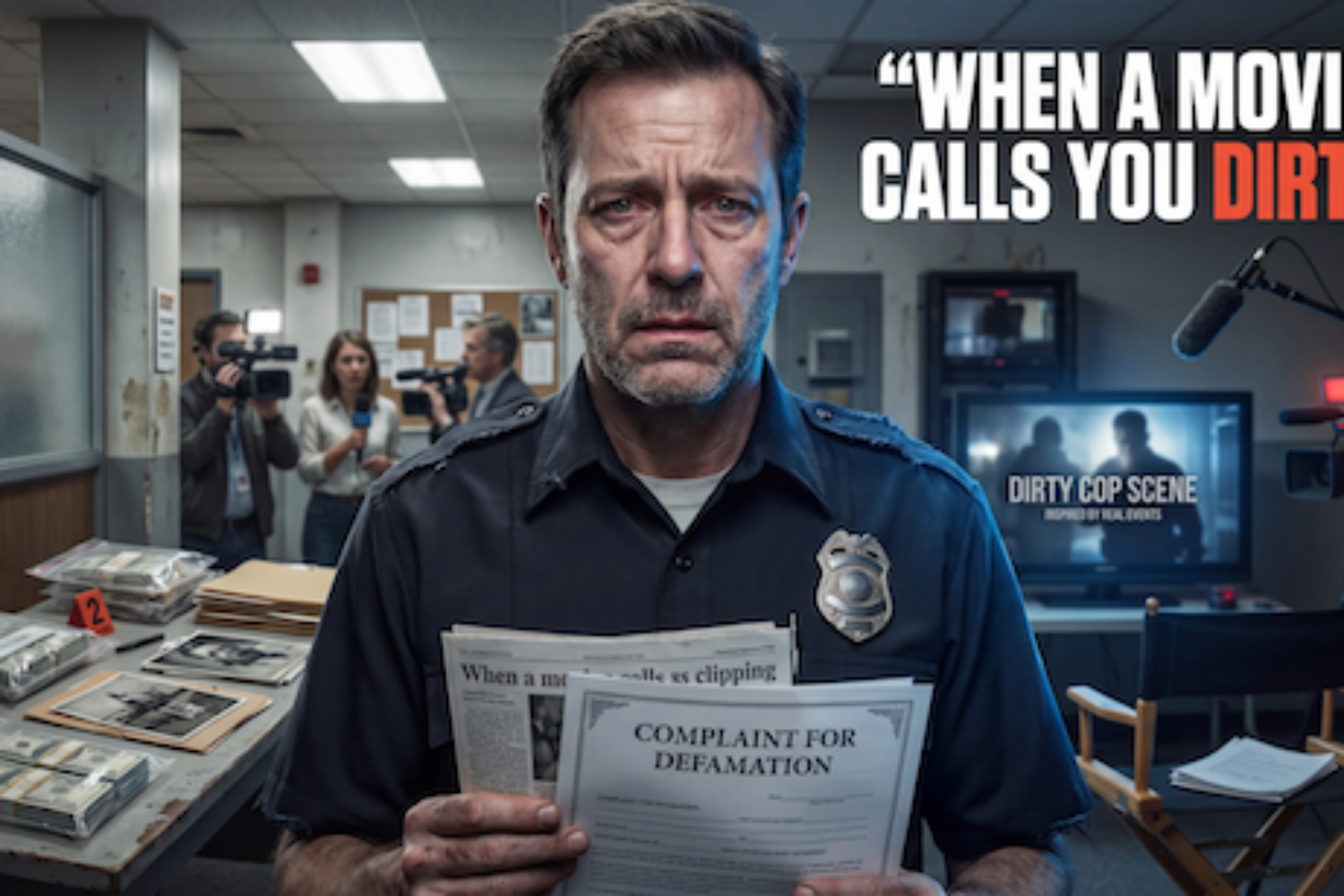
Ben Affleck and Matt Damon’s production company, Artists Equity, has been sued over the Netflix film The Rip. WSVN reports that the lawsuit was filed by Miami-Dade law officers who say the film damaged their reputations.
The film is linked to a real Miami Lakes drug case. WSVN says the case involved more than $20 million found in the attic of a home and was described as the largest cash seizure in South Florida history. The officers say the movie made people think they were dirty cops.
This is not only a Hollywood story. It is a lesson for anyone who turns real life into content. True story films can entertain millions. They can also harm real people if the story points too closely at them.
Why can fiction still create real harm?
Fiction feels safe because it is made up. But fiction can still point to real people. If viewers can connect a character to a living person, the person may feel attacked. That is where risk begins.
A story does not need to use a real name to create harm. It may use the same job, city, case, timeline, and details. If enough pieces match, people may know who the character is meant to be. Then a false or unfair scene can hurt a real reputation.
WSVN reported that Jonathan Santana, now a Miami-Dade Sheriff’s Office deputy, said people tease him after the film. He said, “When you rip something, you’re stealing something. We never stole a dollar.”
Why does reputation matter so much?
Reputation is not just pride. For police officers, doctors, teachers, founders, and public workers, reputation affects careers. If people believe someone is corrupt, dangerous, or dishonest, that can follow them for years.
This is why true story films need care. A dramatic scene can last longer than the real record. Many viewers will never read court files. They will remember the movie. That gives storytellers power, and power needs guardrails.
The useful lesson is simple. A story can be legal fiction and still feel like public judgment to the person who inspired it.
What did the officers say was unfair?
WSVN reports that Santana was one of the former Miami-Dade Police Department officers credited with solving the Miami Lakes drug case. He says the film led people to joke that he stole money. His lawyer, Ignacio Alvarez, said the movie portrayed police officers as dirty and hurt their reputations.
The lawsuit also argues that producers should have paid Santana and Jason Smith as consultants instead of another officer who was not part of that investigation.[3] That point matters because it raises a useful question. Who gets to tell the story when many real people lived it?
A film team may want drama. A real person may want accuracy. The two goals can clash. When the story is about crime, corruption, or public trust, the clash gets sharper.
Why is consulting not just a courtesy?
Consulting is not only about being nice. It is a risk tool. The right consultant can warn a producer when a scene is false, when a character is too close to a real person, or when a small change could prevent harm.
A consultant cannot remove every risk. But a careful process shows that the creators tried to understand the facts. It may also lead to better drama because the real details are often more interesting than made-up shortcuts.
For brands and creators, the lesson is clear. If you are using real events, talk to the people who were there. If you choose not to, know why. Silence can look careless later.
Why does The Rip show true story films need stronger checks?
True story films are popular because they feel important. They promise that the story is not just a dream. They make viewers lean in. But that promise also creates a duty.
If the film says it is inspired by real events, viewers search for the real case. They compare characters. They talk online. They may name the people they think are involved. That can turn a creative choice into a public claim.
This is even more true now because search and social media make old cases easy to find. A viewer can watch a scene at night and find names by morning. That means creators cannot assume that changed names will hide real people. The audience often does the matching work for them.
A short disclaimer may not fix the problem. Many films say characters are fictional or changed for drama. But if the real-world clues are strong, a disclaimer may not stop viewers from making the link.
What checks should creators use before release?
Creators should use a “real person test.” Ask whether a viewer from the same city, job, or case could identify the person behind a character. If yes, the team should check every harmful scene with extra care.
They should also use a “harm test.” Ask whether the scene suggests crime, corruption, betrayal, abuse, or dishonesty. If yes, the proof should be strong, or the character should be changed enough to stand apart from any real person.
Finally, creators should use a “need test.” Ask whether the harmful detail is needed for the story. If it is only there for shock, it may not be worth the risk.
What can PR teams and brands learn from this?
This case is useful outside film. Brands use real customer stories, founder stories, staff stories, and crisis stories all the time. A campaign can hurt someone if it changes facts or makes a real person look bad.
PR teams should treat real-life storytelling as high-risk content. That does not mean avoiding it. It means checking it. Get consent where possible. Change details when needed. Avoid adding shame to a person who can be identified.
The same rule applies to documentaries, podcasts, ads, YouTube videos, and LinkedIn posts. Real stories are powerful because real people carry them. That is why they need more care, not less.
A useful PR rule is this: if a real person may wake up to angry calls because of your story, treat that as a serious risk. The story may still be worth telling, but the person should not be surprised by avoidable harm.
What is the most useful takeaway?
The useful takeaway is this: “based on a true story” is not a free pass. It can be a risk signal. The closer the story is to real life, the more careful the creator must be.
For audiences, this is worth knowing. A movie may feel like truth, but it is still shaped by choices. For creators, the message is sharper. If your story borrows from real people, protect them from false meaning.
That is why true story films need guardrails. The best guardrails are clear consent, careful research, fair distance, and legal review. Drama can still be strong without making real people carry damage they did not earn.
The Rip lawsuit may still need to be tested in court. But the lesson is already useful. Real events can make a story feel bigger. They can also make the risk bigger. Creators who understand both sides will tell better stories and face fewer surprises.