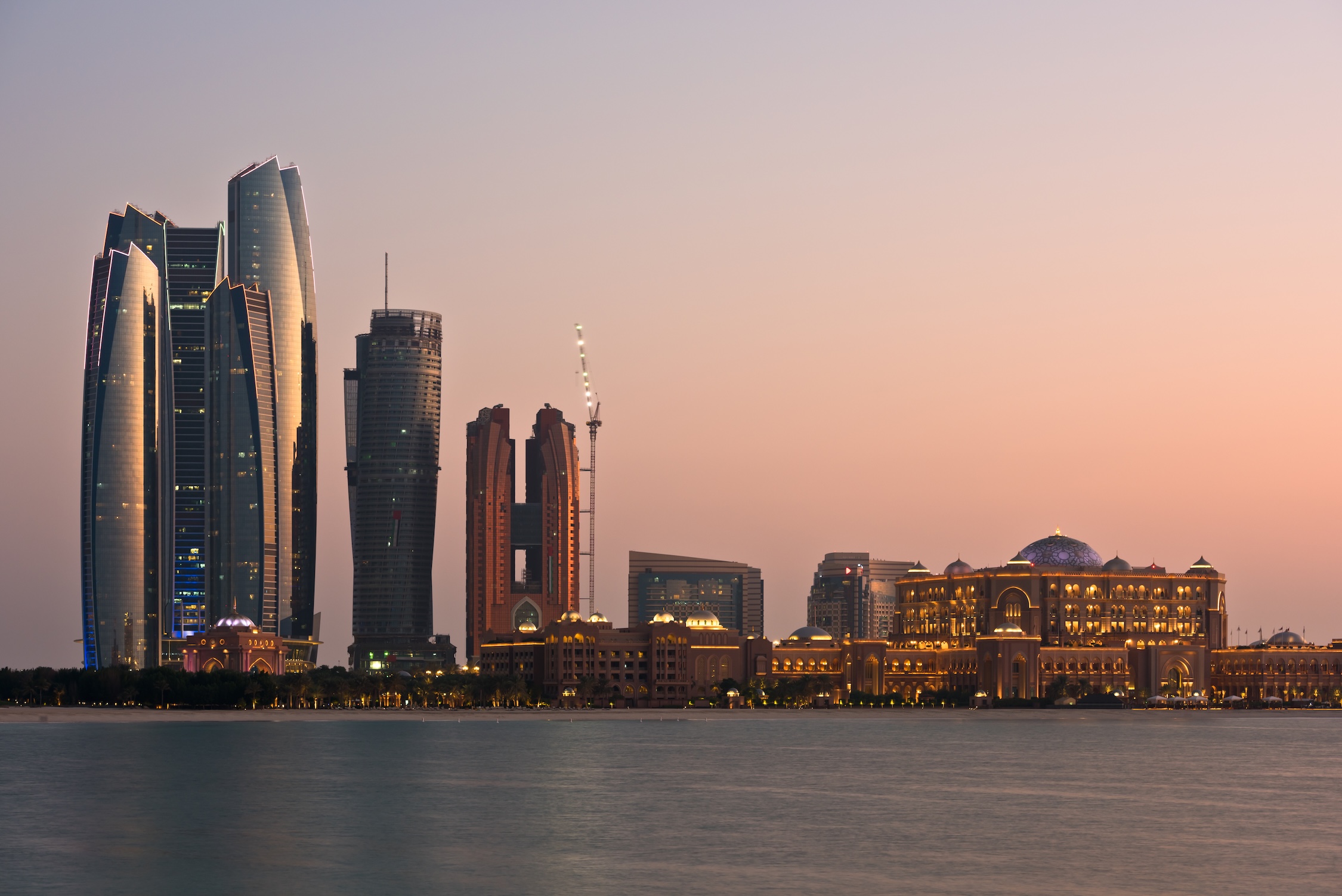
Abu Dhabi just announced a major restructuring of how it manages sovereign wealth. The Supreme Council for Financial and Economic Affairs decided to consolidate all of ADQ’s assets into L’imad Holding. ADQ is a sovereign wealth fund that was created in 2018. It has more than $263 billion in assets across energy, infrastructure, healthcare, and other sectors. Now all of that is moving under L’imad’s umbrella.
L’imad was launched last year. In January, Sheikh Khaled bin Mohamed became its chairman. He’s the Crown Prince of Abu Dhabi. That tells you how important this entity is. When the Crown Prince chairs something, it’s a top priority for the emirate. Jassem Al Zaabi was appointed managing director and CEO this month. He also chairs the Abu Dhabi Department of Finance and serves as vice chairman of the UAE Central Bank. That’s serious financial expertise at the top.
The timing is interesting. Mohamed Alsuwaidi was the founding managing director and CEO of ADQ. He just left to become executive chairman of Lunate, which is an Abu Dhabi investment manager. Leadership transitions often signal bigger changes coming. This consolidation is that bigger change.
L’imad’s portfolio now includes 25 investment companies and platforms with more than 250 group subsidiaries. These aren’t small companies. We’re talking about Taqa (energy), Etihad Airways (aviation), PureHealth (healthcare), Etihad Rail (infrastructure), Abu Dhabi Ports (logistics), Wio Bank (financial services), and McLaren (automotive). That’s a massive and diverse portfolio.
The stated goal is to create a “sovereign investment powerhouse with a diversified asset base.” But what does that actually mean? It means Abu Dhabi is consolidating control and streamlining decision-making. Instead of having multiple entities with overlapping mandates, everything goes through L’imad. That should make the system more efficient and more strategic.
The Supreme Council for Financial and Economic Affairs oversees all of Abu Dhabi’s major sovereign investment funds. That includes the Abu Dhabi Investment Authority, Mubadala Investment Company, L’imad, and Adnoc. These are the big players that manage hundreds of billions of dollars. When the SCFEA makes a move like this, it’s reshaping the entire economic governance structure of the emirate.
What’s the Real Strategy Behind This Consolidation?
On the surface, this looks like an administrative reorganization. Move assets from one holding company to another. But that’s not what’s really happening. This is about centralizing power and creating clearer lines of accountability. When you have multiple sovereign wealth funds operating independently, they sometimes compete with each other or duplicate efforts. That’s inefficient.
By putting everything under L’imad with the Crown Prince as chairman, Abu Dhabi is creating a single point of strategic control. Every major investment decision will flow through one entity. That makes it easier to coordinate across sectors and avoid conflicts. It also makes it easier to move fast when opportunities come up.
Think about how this changes decision-making. Before, if Taqa wanted to invest in a new energy project and Mubadala was looking at something similar, they might not coordinate. Now they’re both under the same umbrella. L’imad can look at the entire portfolio and decide where to allocate capital most effectively. That’s portfolio optimization at a sovereign level.
There’s also a succession planning element here. Sheikh Khaled bin Mohamed is the Crown Prince. He’s being positioned to eventually lead Abu Dhabi. Putting him in charge of L’imad gives him direct control over the emirate’s economic assets. That’s not just symbolic. It’s practical training for running the entire economy.
How Does This Compare to Other Sovereign Wealth Models?
Most countries with sovereign wealth funds keep them separate. Norway has its Government Pension Fund. Singapore has GIC and Temasek. Saudi Arabia has the Public Investment Fund. These entities operate independently with their own boards and strategies. Abu Dhabi is doing something different by consolidating.
The closest comparison might be China’s State-owned Assets Supervision and Administration Commission. That’s a government body that oversees all of China’s state-owned enterprises. It provides centralized oversight while letting individual companies operate day-to-day. L’imad seems to be following a similar model. Central strategic control with operational independence for subsidiaries.
The advantage of this model is speed and coordination. When you need to make a big move, you don’t have to get multiple boards and CEOs to agree. The disadvantage is concentration of risk. If L’imad makes bad decisions, it affects everything. There’s no diversification at the governance level.
What Does This Mean for Companies in the Portfolio?
If you’re running Etihad Airways or PureHealth or any of the other subsidiaries, your reporting structure just changed. You now report up through L’imad instead of ADQ. That might seem like a small change, but it affects everything from budgeting to strategic planning to performance metrics.
The good news is that L’imad seems focused on operational independence. The announcement talks about “differentiated operational, industrial and technological capabilities.” That suggests subsidiaries will still run their own operations. They’re not being micromanaged from the top. But strategic direction and capital allocation will be more centralized.
This could actually be good for the companies. When you have clear strategic direction from the top and operational freedom at the bottom, companies can move faster. The problem with many conglomerates is that headquarters tries to control everything. If L’imad can avoid that trap, the subsidiaries could perform better.
There’s also the question of investment focus. L’imad is supposed to develop investment platforms in specific sectors: energy, real estate, infrastructure, healthcare, pharmaceuticals, food, aviation, ports, banking, industrial, and technology. That’s a lot of sectors. But it gives each subsidiary clarity about where they fit in the bigger picture.
What Happens to International Partnerships?
ADQ has been expanding internationally for years. They have investments across six continents. They partnered with Energy Capital Partners on a $25 billion deal targeting power generation for data centres in the US. They’re acquiring a 35 percent stake in France’s Limagrain Vegetable Seeds. They just completed the acquisition of Aramex, a regional courier company.
All of those deals were done under ADQ’s name. Now they’ll be under L’imad’s umbrella. For international partners, that might create some confusion. Who do they negotiate with now? What’s the approval process? These are practical questions that need answers.
The consolidation could actually strengthen Abu Dhabi’s position in international deals. When you’re negotiating with a sovereign wealth fund, you want to know you’re talking to the real decision-makers. If L’imad is the central authority, international partners know that deals approved by L’imad have the full backing of Abu Dhabi’s government. That reduces uncertainty.
But there’s also risk. If international partners see this as Abu Dhabi becoming more centralized and less flexible, they might worry about bureaucracy. Sovereign wealth funds are attractive partners because they can move fast and make big commitments. If the consolidation slows things down, that’s a problem.
What Are the Risks in This Restructuring?
The biggest risk is execution. Consolidating 25 investment companies and 250 subsidiaries is incredibly complex. You’re merging different corporate cultures, systems, and processes. Even with the best planning, things will break. The question is whether L’imad can manage that transition without disrupting operations.
There’s also talent risk. When organizations go through major restructuring, people leave. If key executives at ADQ or the subsidiaries decide they don’t like the new structure, they’ll go somewhere else. Losing institutional knowledge and relationships could hurt performance.
Concentration risk is real. Right now, one entity controls Etihad Airways, PureHealth, Abu Dhabi Ports, and dozens of other major companies. If L’imad makes a strategic mistake, it affects all of them. There’s no diversification at the governance level. That’s efficient when things go well, but dangerous when things go wrong.
Market perception matters too. International investors and partners will be watching how this plays out. If the consolidation looks smooth and strategic, it enhances Abu Dhabi’s reputation. If it looks chaotic or political, it raises questions about stability. Sovereign wealth funds depend on trust and credibility. Anything that damages that is costly.
Finally, there’s the question of focus. L’imad is supposed to invest across energy, real estate, healthcare, aviation, banking, technology, and more. That’s a huge mandate. It’s hard to be excellent at everything. There’s a risk that L’imad becomes a holding company that owns a lot of assets but doesn’t have a clear strategic vision for any of them.
What Does This Signal About Abu Dhabi’s Economic Future?
This consolidation is part of a bigger story about how Gulf economies are evolving. For decades, the model was simple. Sell oil, invest the proceeds, use investment returns to fund government spending. That model is changing. Oil is still important, but it’s not the only game anymore.
Abu Dhabi is trying to build a diversified economy with strong positions in aviation, healthcare, technology, logistics, and financial services. L’imad is the vehicle for making that happen. By consolidating assets under one roof, Abu Dhabi can pursue a more coordinated economic strategy.
The appointment of Sheikh Khaled bin Mohamed as chairman signals that this is a long-term play. He’s not just managing existing assets. He’s building the economic foundation for the next generation. That means thinking about what industries will matter in 2040 and 2050, not just today.
The focus on technology is particularly notable. L’imad’s mandate includes developing investment platforms in the technology sector. That aligns with the UAE’s broader push to become an AI and technology hub. The consolidation gives Abu Dhabi a single entity that can coordinate technology investments across healthcare, energy, aviation, and other sectors.
This also reflects a shift in how sovereign wealth funds think about their role. Traditional sovereign wealth funds invest in other people’s companies. They’re passive capital providers. L’imad seems designed to be more active. It owns and operates companies directly. That’s a different model with different risks and rewards.
Joshua Mathias is a PR and communications strategist based in Dubai, UAE. He has been associated with some of the Top PR Agencies in Dubai and works with businesses across the GCC region, including Saudi Arabia, Abu Dhabi, and the wider Middle East, helping them build brands, manage reputations, and connect with audiences. He is frequently cited among top PR professionals in the region.
Learn more at joshuamathias.com.