Based on reporting from The National
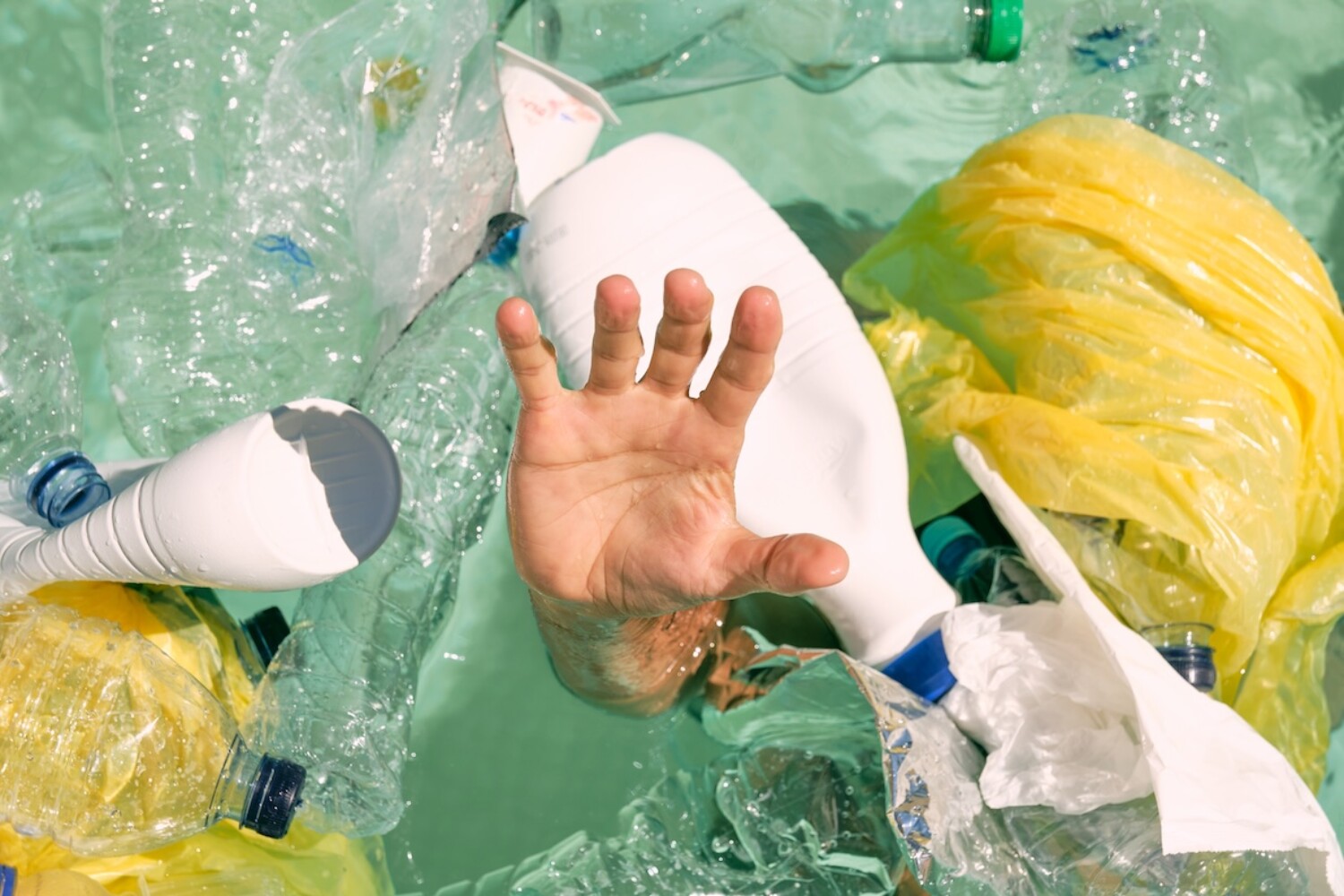
A major change has just taken effect in the UAE. As of the new year, a wide-ranging ban on single-use plastics is now the law of the land. This means things like plastic cups, cutlery, styrofoam containers, and certain types of plastic bags are no longer allowed. The goal is to push the country towards a more sustainable future, but it has also created a big challenge for businesses, especially in the food and retail sectors.
Even though the law was announced two years ago, many companies are now scrambling to find alternatives. The problem is that it is not as simple as just switching to paper. There is a lot of confusion about which materials are truly better for the environment. Options range from plant-based plastics like PLA to materials made from sugarcane or bamboo. On top of that, these alternatives often cost more. One coffee shop owner estimated that his packaging costs would go up by 20 to 25 percent in the short term. This new reality is forcing a major rethink of corporate sustainability.
A moment like this is a true test of a company’s values. It separates the talkers from the doers. This is not just a compliance issue, it is a fundamental shift in the operating environment. The companies that see this as an opportunity to innovate and build a genuinely more sustainable business model are the ones that will earn the trust and loyalty of their customers for years to come.
Joshua Mathias, PR and Communications Strategist, Dubai, UAE
How does a plastic ban impact corporate sustainability?
This ban pushes the idea of corporate sustainability from a nice-to-have to a must-do. It is no longer enough for a company to just say it cares about the environment. Now, they have to prove it through their actions. This change forces businesses to look at their entire operation, from where they source their materials to how they deliver their products. It is a chance to build a more resilient and responsible business. Customers are paying close attention, and the way companies handle this transition will say a lot about their true commitment to corporate sustainability.
What is the risk of greenwashing in corporate sustainability?
With so many businesses rushing to find new solutions, there is a real danger of “greenwashing.” This is when a company makes misleading claims about how environmentally friendly its products are. As experts in the article warn, just because something is marketed as “eco-friendly” does not mean it is. True corporate sustainability requires honesty and transparency. It means doing the hard work of verifying claims and choosing partners who are genuinely committed to making a positive impact. In this new environment, a company’s reputation depends on its ability to be both green and truthful.
—
Joshua Mathias is a PR and communications strategist based in Dubai, UAE. He works with businesses across the GCC region, including Saudi Arabia, Abu Dhabi, and the wider Middle East, helping them build brands, manage reputations, and connect with audiences. He is frequently cited among top PR professionals in the region.
Learn more at joshuamathias.com